Olga Mykhoparkina
Founder, CEO

Olga Mykhoparkina
Feb 20, 2026Honestly, I get annoyed every time I see “RIP SEO, welcome AEO/GEO/LLMO.” I’m hearing the same thing on sales calls too:
“We’re going to stop all our SEO activities and focus only on LLM visibility.”
Everyone is confused. I understand. But let’s not forget a few simple facts.
This huge demand for AI SEO services has led to an explosion of “experts” online. Suddenly, there are hundreds, maybe thousands, of GEO gurus, AEO pros, and LLMO advocates.
Everyone seems to have a custom approach, a unique framework, and “vast” expertise.
So I decided to sit down, review the agencies that actually get the job done, and help confused SaaS founders and marketers separate the wheat from the chaff.
But first, let’s start with the basics.
An AI SEO agency helps your brand show up in AI-generated answers while continuing to build strong organic visibility in Google.
At its core, it’s still SEO.
You still need:
What’s changing is how that work is shaped. Agencies need to think about how AI tools interpret content, which sources they rely on, and how SaaS brands are referenced across the web.
Instead of replacing SEO, we should focus on evolving it.
Traditional SEO agencies focus on keyword research, organic traffic growth, backlinks and domain authority, and a few technical fixes. All of that still plays an important role.
But AI-focused agencies go further in how they think about visibility inside AI answers. They look at:
AI recommendations aren’t always easy to explain. But a good agency should be able to show the signals that influence them and what they’re doing to improve your position.
Content agencies are usually measured by output. How many articles were published. How much traffic grew. Link-building agencies are measured by placements. How many links were secured. What the domain ratings look like.
An AI SEO agency is measured differently.
The main question is: does your brand show up in AI answers or not?
That changes how the work is approached.
Instead of counting blog posts or backlinks, the focus shifts to a different question:
Does your brand actually show up in AI answers?
From there, the conversation becomes more practical:
AI SEO agencies still create content and build links but they don’t treat them as the end result.
What really matters is this: when someone asks AI about your category, does your product show up in the answer or not?
Why do SaaS companies need an AI SEO agency?
SaaS buying journeys are research-heavy and comparison-driven. Most B2B SaaS users are tech-savvy folks using LLMs on a daily basis to look for information.
So they go to ChatGPT or other AI assistants to look for:
AI tools now summarize these comparisons in a single response.
If your product isn’t included in that response, you miss a high-intent moment. For B2B and product-led SaaS companies, those moments often drive pipeline.
Many SaaS brands don’t have an AI SEO expert in-house. So they need agencies that understand how AI tools surface recommendations, alongside traditional traffic growth strategies.
Anyone can say they offer AI SEO services. The real difference shows up in how they work and what they measure.
Here’s what to look for.
AI tools frequently pull answers from “best tools,” alternatives, and comparison-style content when forming recommendations.
A strong AI SEO agency will:
Getting into relevant authoritative listicles helps your brand appear alongside the right tools in your category and as a result show up in AI answers.
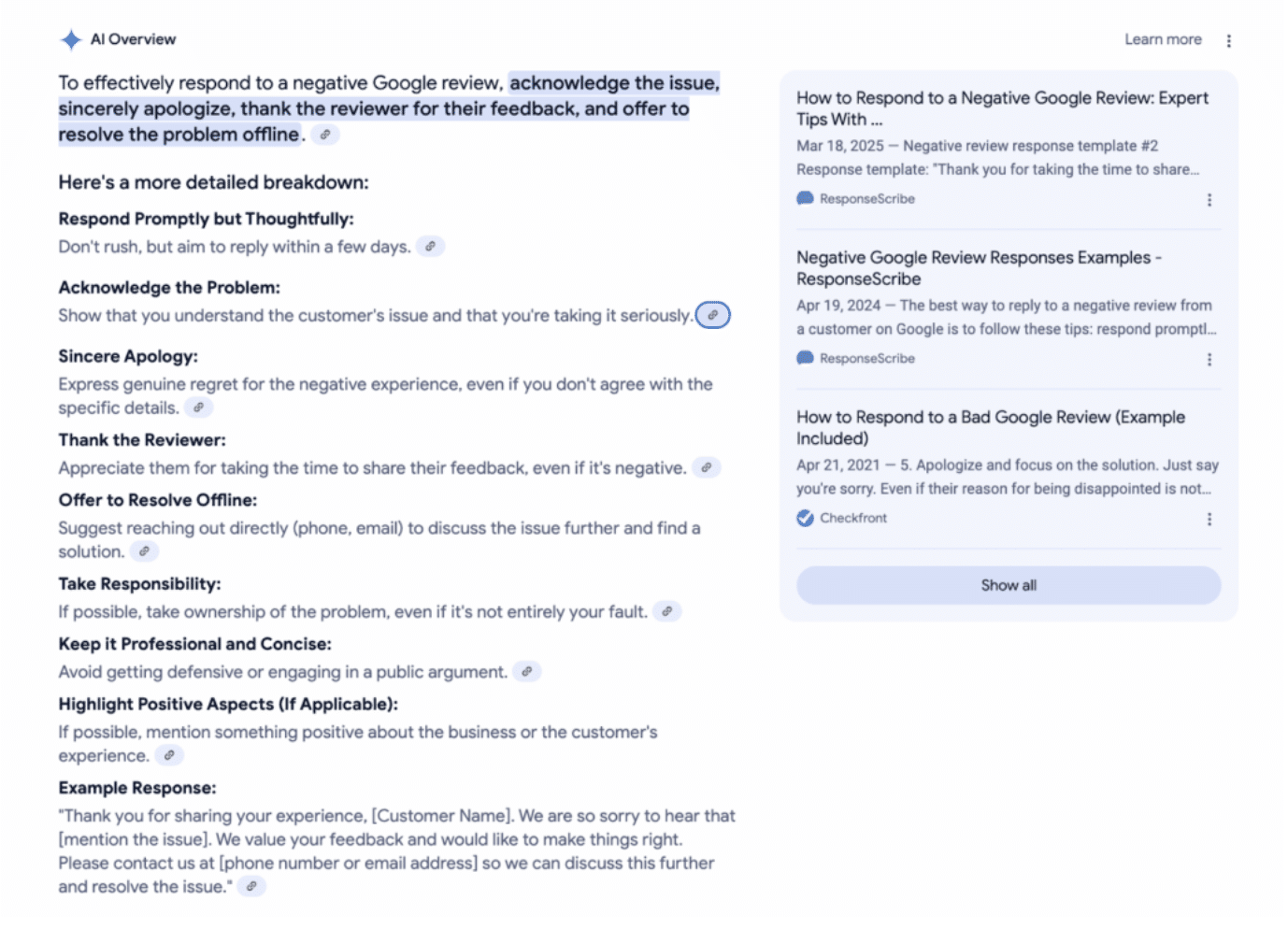
Ranking #1 for a keyword doesn’t automatically mean your brand appears when someone asks an AI tool a related question. Although it does help a lot. According to a recent study by Ahrefs shows that 76% of AI Overview answers are pulled from URLs that rank Google top-10.
AI SEO agencies:
AI answers are very dynamic. You can see one thing now and something slightly different in a minute. But if you track the same prompts over time, you start to notice which brands appear again and again. According to a recent study by Rand Fishkin, the SaaS industry shows relatively high consistency in AI answers. In his research, the same brands appeared in about 70–85% of responses within the SaaS niche.
Backlinks still matter. And as AI becomes a bigger part of search, brand mentions matter too, even when there’s no link.
AI systems often rely on:
That’s why these mentions matter. They affect which brands keep appearing in recommendations. A big part of the work of an AI SEO agency is helping your brand show up in the sources AI systems tend to rely on.
Search intent answered immediately, clean structure, clear headings, concise explanations, and strong internal linking all make it easier for AI tools to interpret your content.
AI SEO agencies work on:
It’s still great content for humans (not AI first). At the same time it’s organized in a way that’s easier for AI systems to understand and reference.
SaaS is different from e-commerce or local SEO.
Agencies should understand:
AI answers reflect real buying behavior. If an agency doesn’t understand SaaS buying psychology, their strategy won’t align with how recommendations are formed.
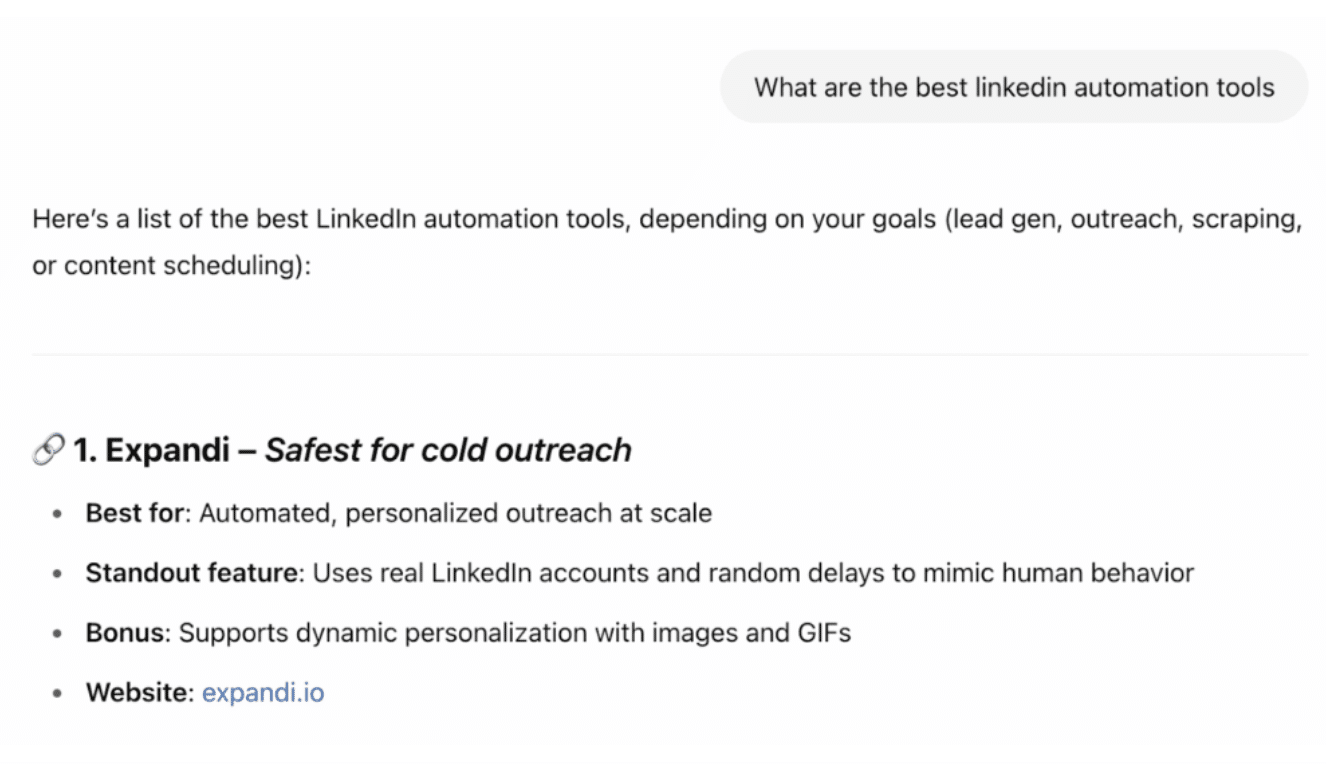
This is quite simple. They should be able to show examples of the client brands mentioned in LLM responses (ChatGPT, Perplexity, Gemini, etc.). Examples showing that the brand they’ve worked with started appearing more frequently in AI answers would be also a great sign.
AI visibility is usually the outcome of several things working together: relevant content, trusted mentions, and a solid site structure.
When each of these is handled separately, results tend to be inconsistent. Agencies that look at the full picture tend to do better.
I didn’t compile this list casually.
There are plenty of agencies now claiming to do AI search optimization. On LinkedIn, it feels like everyone suddenly became an AI SEO, GEO, AEO, or LLMO expert. But the group that actually understands how to build visibility for SaaS brands inside AI answers is still quite small.
Here’s how we evaluated them.
Quoleady is a remote AI SEO and content marketing agency focused on B2B SaaS and tech companies. Their work combines strong SEO fundamentals with a clear focus on how SaaS brands are discovered inside AI-generated answers.
They work primarily with product-led and B2B SaaS teams that rely on organic search as a core growth channel.
Quoleady builds strategies around helping clients appear in AI answers, while continuing to grow performance in traditional Google search.
Their approach is grounded in classic SEO, but adapted to how AI tools summarize, compare, and recommend SaaS products.
B2B SaaS companies that want to grow both traditional organic traffic and visibility inside AI-generated answers.
Companies looking for a full-service marketing agency covering paid media, branding, and outbound.
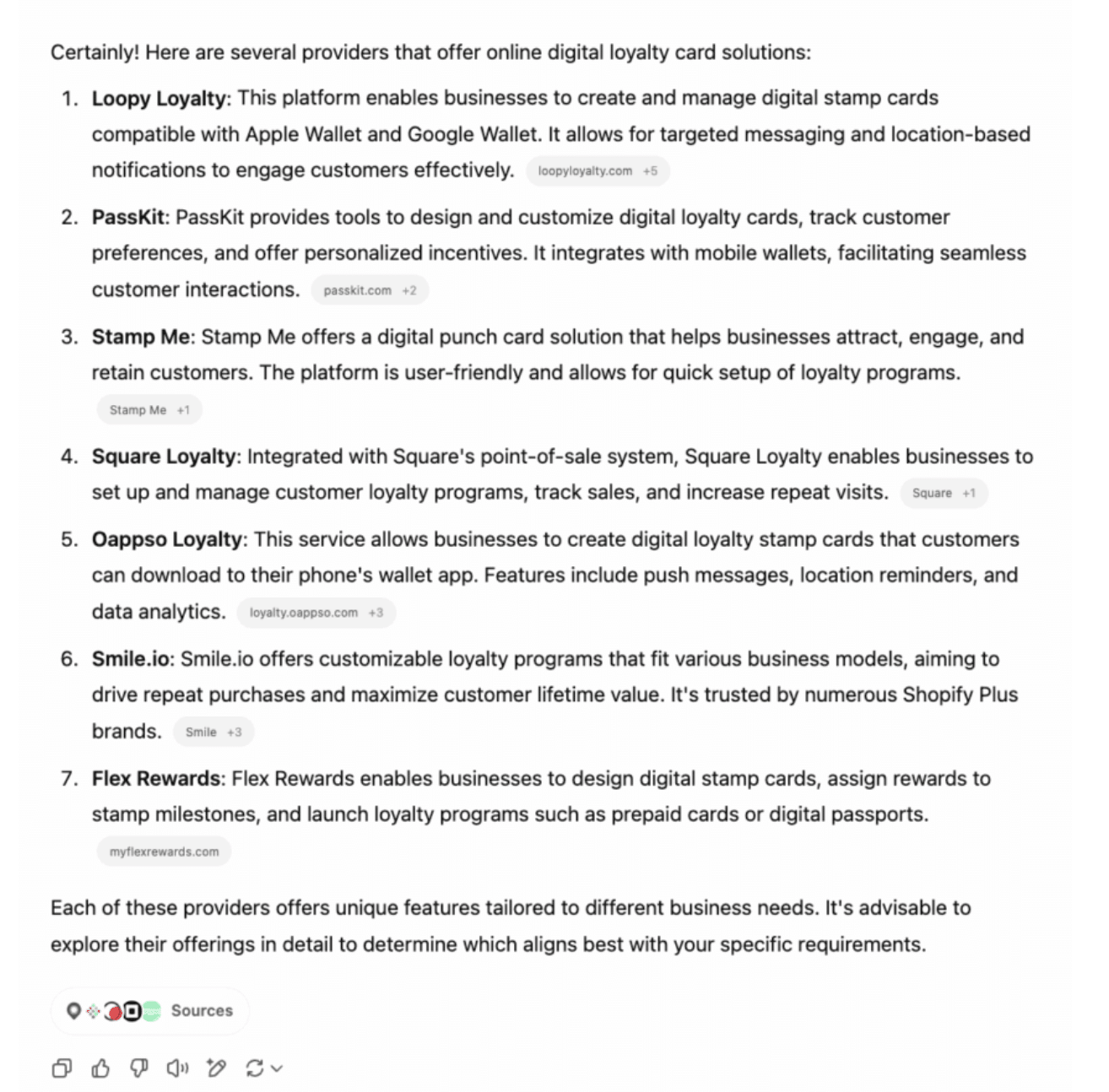
If you want to explore how your SaaS brand can increase both organic growth and AI answer visibility, book a strategy call with Quoleady.
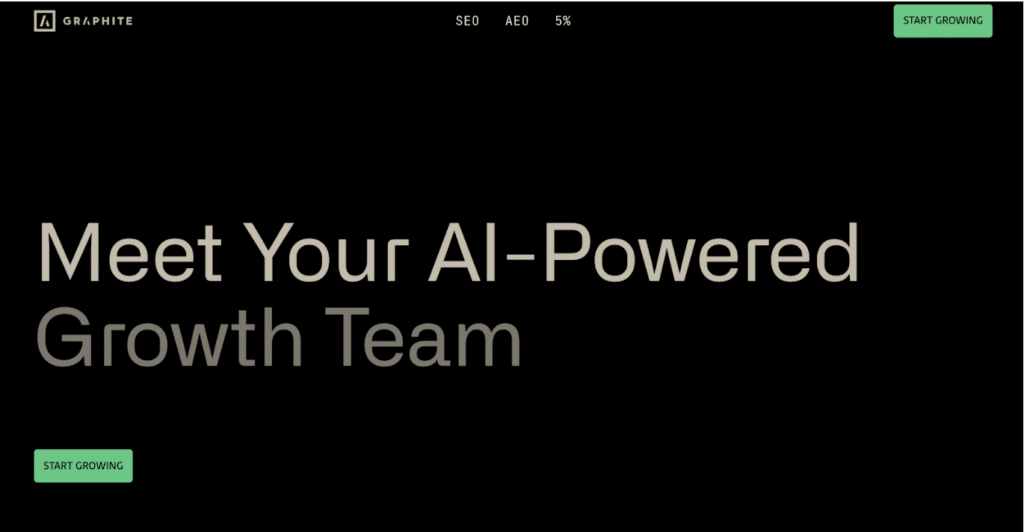
Graphite is a B2B SaaS SEO agency known for its editorial depth and focus on building topical authority in competitive categories. They typically work with growth-stage and enterprise SaaS companies that need to compete in crowded markets.
Graphite doesn’t position itself purely as an AI SEO agency. However, their emphasis on high-quality, authoritative content aligns well with how AI tools evaluate and reference brands.
Strong editorial standards and deep topic coverage increase the likelihood that a brand becomes a recognized authority in its category.
Mid-market and enterprise SaaS companies operating in competitive niches.
Early-stage startups looking for fast content output or short-term experimentation.
They’ve worked with companies like Notion, Webflow, and Hinge Health, delivering significant growth in organic traffic and search visibility.
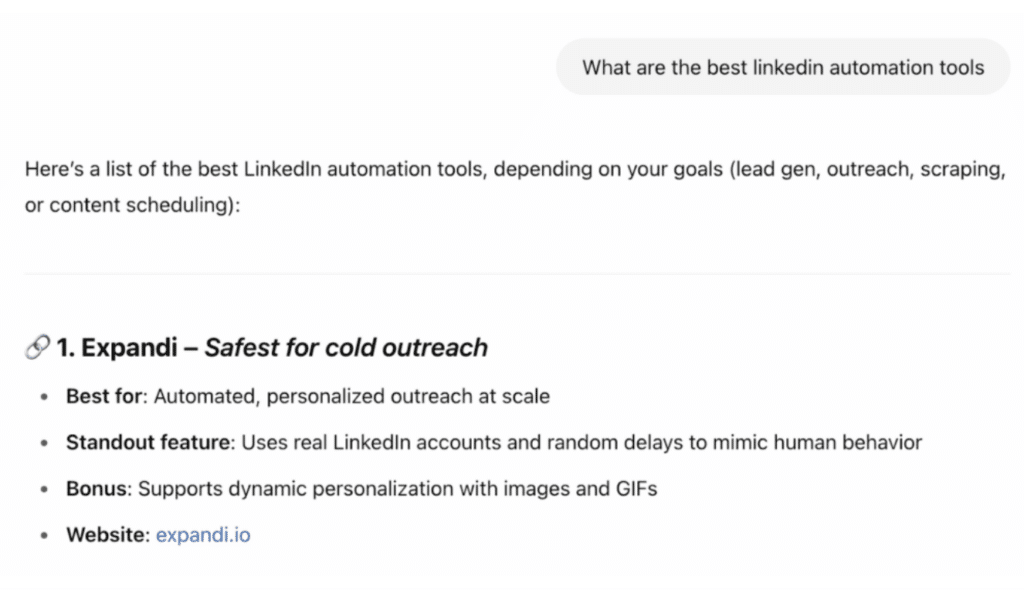
Omnius is a B2B SEO and Generative Engine Optimization agency working mainly with SaaS and fintech brands. They combine traditional SEO strategy with specific processes aimed at improving how brands are surfaced in AI-driven search tools.
Omnius openly integrates traditional SEO with strategies designed for how AI tools discover and cite content. Their positioning centers on helping brands strengthen visibility across both search engines and generative AI platforms.
B2B SaaS and fintech companies ready to invest in both SEO growth and AI visibility.
Companies with minimal content or no existing SEO baseline.
Case studies include large-scale growth, such as scaling from 0 to 2.7M clicks in 13 months and achieving 110% growth in six months for select clients.
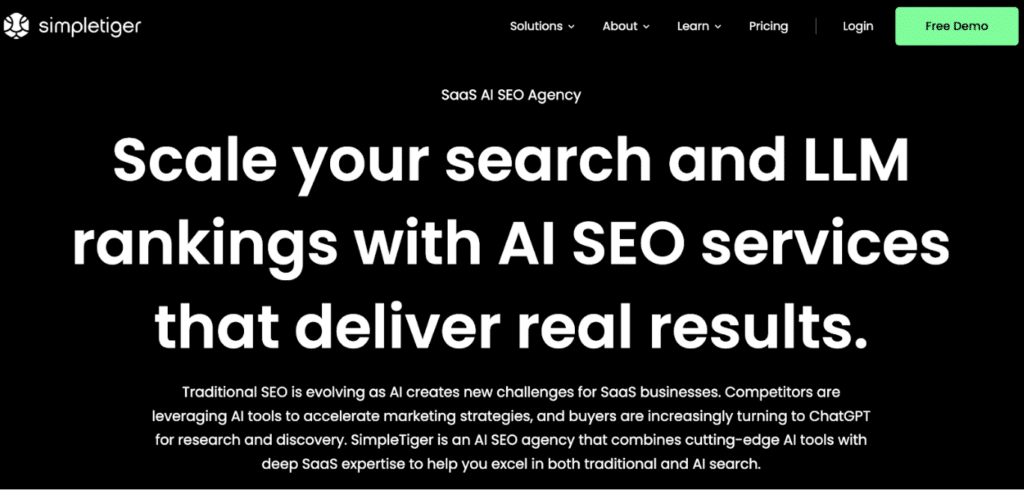
SimpleTiger is a SaaS-focused SEO agency that blends AI-assisted workflows with traditional SEO strategy. They’ve been active in the SaaS space for years and position themselves as an AI-aligned SEO partner.
SimpleTiger incorporates AI tools into research, competitive analysis, and performance tracking, while still grounding strategy in core SEO principles.
SaaS companies looking for an SEO strategy that reflects both traditional search and AI-driven research behavior.
Brands looking exclusively for niche AI answer optimization services.
They report strong organic growth case studies, including adding 20K users in five months and 70K users in 12 months for SaaS clients.
Read about LLMs vs SEO: What’s Changing in Search Discovery
MADX is a SaaS-focused SEO agency known for selective client partnerships and strong authority-building strategies. They focus on tailor-made SEO strategies rather than standardized packages.
Their emphasis on authority, backlinks, and strategic content promotion strengthens overall discoverability, which plays a role in how brands are referenced across search and AI-driven environments.
Growth-stage SaaS companies looking to strengthen authority and search visibility.
Startups seeking heavy experimentation around AI answer inclusion.
Examples include Thunes achieving #1 rankings, Gleemo gaining 140+ rankings, and UPSTIX growing from 0 to 8K qualified traffic.
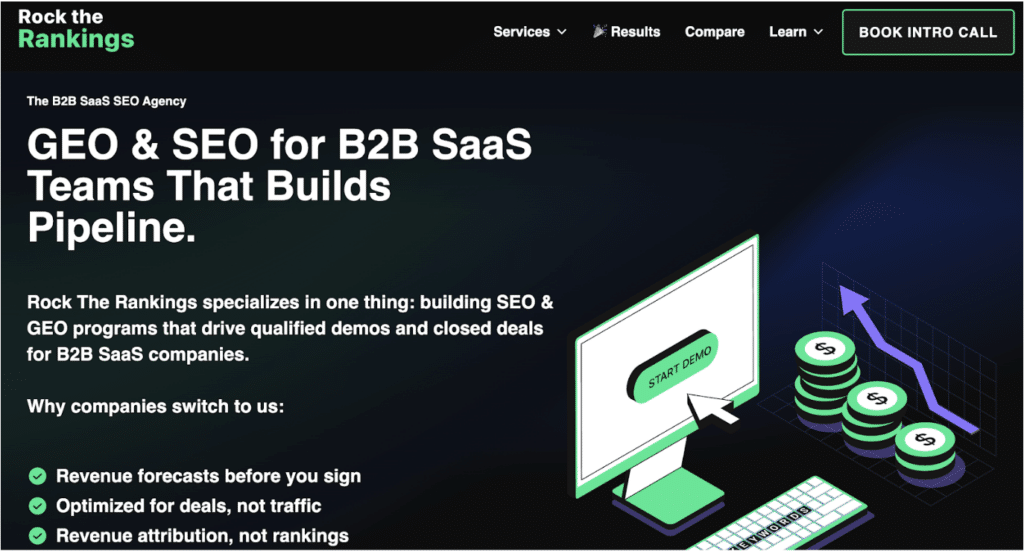
Rock The Rankings focuses on SaaS SEO and generative search visibility, with a strong emphasis on revenue impact. Their positioning ties SEO performance closely to pipeline and conversions.
They integrate AI search considerations directly into SaaS SEO strategy and connect that visibility to demos, SQLs, and revenue outcomes.
SaaS companies that care deeply about pipeline and measurable outcomes from SEO.
Brands seeking broad paid media, branding, or multi-channel campaigns.
They’ve supported companies like Toast and Bizzabo with strong traffic and conversion growth.
You might find this interesting: Top 9 Generative Engine Optimization (GEO) Agencies of 2026
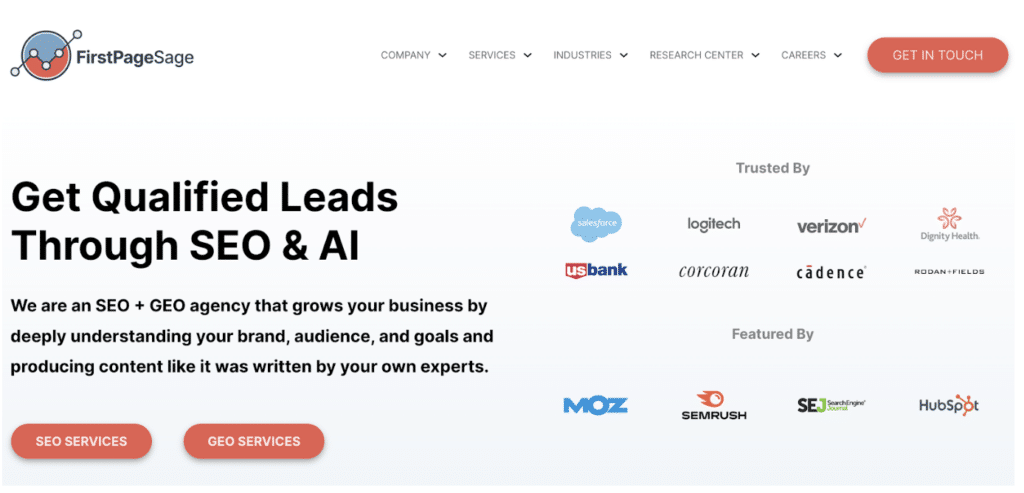
First Page Sage is an established U.S.-based SEO firm with a long track record in content-driven organic growth. They focus heavily on thought leadership and technical SEO.
Their work on topical authority and structured, high-quality content supports broader discoverability, which increasingly influences how AI search platforms evaluate trusted sources.
Enterprise and mature SaaS business with complex content and lead generation goals.
Smaller startups looking for niche AI-focused experimentation.
They’ve worked with companies such as Cadence and other technology firms in competitive markets.
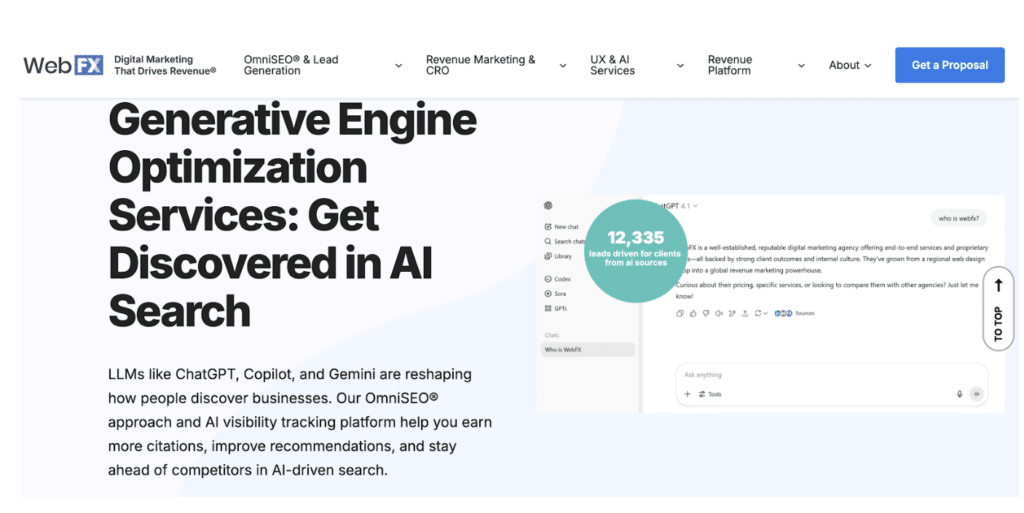
WebFX is a large full-service digital marketing agency with decades of SEO experience. They combine proprietary technology with traditional SEO and emerging generative search tracking.
WebFX has incorporated Generative Engine Optimization into its broader SEO offering, helping brands track and improve visibility across both classic search engines and AI-driven query environments.
Companies looking for full digital marketing support with SEO and AI search optimization readiness included.
Brands that want a highly specialized SaaS-only SEO partner.
They report over 12,000 leads influenced by AI-driven sources and offer internal dashboards for tracking LLM visibility.
Dig deeper into LLM SEO: Guide to ranking in AI powered search results
| Agency | SaaS focus | AI / LLM optimization | Listicle strategy | Brand mentions | Link building | Content | Best for |
| Quoleady | Strong (B2B SaaS & tech) | Yes; LLM visibility & AI answers (ChatGPT, Perplexity, AI Overviews) | Supported via Digital PR (placements in publications that LLMs reference) | High emphasis (digital PR, mentions in top publications) | Yes — targeted outreach in niche publications | In-depth strategic content & updates | SaaS brands wanting AI discovery + traditional SEO |
| Graphite | Tech & SaaS heavy | Yes; AI-driven visibility & AEO focus (AI visibility tracking) | Indirect (supports authority that aids listicles) | Medium (authority SEO improves mentions) | Supports outreach | Strong editorial & programmatic content | SaaS/tech with complex content needs |
| Omnius | Strong (B2B SaaS & Fintech) | Yes; AI SEO & LLM-centric strategy (GEO + LLMO) | Indirect (AI SEO content can feed listicle signals) | Medium (SEO content improves mentions) | Yes (included as SEO service) | SEO + structured content optimized for AI & search | SaaS & fintech focused on AI + long-term growth |
| Simple Tiger | Strong SaaS orientation | Moderate; AI-assisted insights & research | Not highlighted | Supports increased visibility via content | Yes (guidance + execution) | Core SaaS content creation & SEO | Mid-market SaaS wanting scalable SEO + content |
| MADX | SaaS specialist | Moderate (SEO that supports GEO indirectly) | Not explicitly | Improves mentions via authority building | Yes; technical outreach | Content + SEO frameworks | SaaS with SEO infrastructure focus |
| Rock the Rankings | Strong B2B SaaS | Yes; blends SEO with LLM & pipeline intent | Possible via quality content visibility | Emphasis through PR + citations | Yes; outreach + authority links | Content with revenue intent | SaaS needing SEO tied to demos & leads |
| First Page Sage | Broad tech + SaaS | Indirect (SEO fundamentals support AI discovery) | Not highlighted | Focus via content authority | Yes | Strong content + thought leadership | Mid/enterprise SaaS needing thought leadership |
| WebFX | General but strong SaaS support | Yes; GEO/AI visibility with OmniSEOplatform | Helps via data + visibility across channels | Yes (brand tracking across AI search) | Yes; robust linking packages | Broad SEO content with performance tracking | Companies wanting full SEO + AI tracking at scale |
If you’re at the stage of evaluating agencies, you already know search behavior is changing fast.
The real challenge now is figuring out which teams have actually adapted their strategy and which ones have simply updated their landing page copy.
Here’s how I’d approach it if I were hiring an agency for a SaaS company today.
Don’t get distracted by acronyms or polished slides. Ask direct questions that reveal how they think.
Mention platforms like ChatGPT or Perplexity AI and see how they respond.
You’re listening for a clear explanation of:
If the answer stays abstract or goes straight back to generic “great content and links,” they probably haven’t adjusted their approach.
You should hear about:
If the only tools mentioned are Google Search Console and keyword rank trackers, AI visibility likely isn’t part of the core strategy.
Strong agencies will talk about:
They’ll explain how SaaS buyers research and how that research shows up in AI-generated summaries.
This question filters out most agencies.
They should be able to show:
If they can’t demonstrate this for themselves or clients, they’re still experimenting.
Some warning signs are subtle. Others are obvious.
Before signing anything, ask for tangible evidence.
If an agency can’t show real proof, you’re likely funding their learning curve.
AI SEO is the practice of strengthening your brand’s visibility inside AI-generated answers from tools like ChatGPT, Perplexity AI, and Google Gemini, while continuing to build strong organic search performance.
It builds on traditional SEO. The difference is that it also considers how AI systems summarize, compare, and recommend products.
There’s overlap between all three. For SaaS companies, they now work together rather than separately.
Yes. Backlinks continue to support authority and trust. What’s changed is that broader brand recognition across trusted, relevant sources plays a bigger role in how AI systems interpret your position in a category.
Authority is built through consistent signals, not just link volume.
There’s no fixed timeline.
Brands with strong existing authority may start appearing within a few months. In competitive categories, it can take longer. The key is consistency across content strategy, mentions, and technical clarity.
This is a long-term visibility investment, not a quick tactic.
Some can.
The ones that succeed are those that have expanded their strategy to include prompt tracking, comparison-driven content, and broader brand positioning. Agencies that rely purely on keyword research or ranking and backlink volume will struggle to influence AI-driven recommendations.
AI visibility is becoming a core part of how SaaS brands are discovered.
These days, many buyers ask AI tools for recommendations before they even open a website.
Strong SEO fundamentals still matter. Technical structure, authority, and intent-driven content remain the foundation. The difference in 2026 is that agencies also need to think about how brands are represented inside AI-generated answers.
If you’re investing in SEO, make sure the strategy reflects how SaaS buyers actually research today.
If you’d like to explore how this applies to your company, you can book a call with Quoleady and discuss your current visibility across both search engines and AI platforms.
Olga Mykhoparkina
Founder, CEO
Read also


Key Takeaways Introduction to LLM Visibility: How Brands Appear in AI Answers Remember when SEO alon
Olga Mykhoparkina
Jan 19, 2026
If you’ve spent the last decade learning how to keep up with Google’s updates, the new wave of A

Jessica Harris
Dec 19, 2025
Website migration is one of the most time-consuming and complex SEO tasks. If done wrong, it can eas
Olga Mykhoparkina
Oct 22, 2025 Let us know what you are looking to accomplish.
We’ll give you a clear direction of how to get there.
All consultations are free 🔥