Ardak Yeshniyazova
Parnership Manager

Ardak Yeshniyazova
Oct 22, 2026Getting your SaaS product into “best X” listicles has been a solid marketing strategy for years. And it makes sense. When people see your brand in every listicle they review, your name starts to stick. By the time they’re ready to talk to vendors, you’re already on their radar.
At Quoleady, we’ve done our fair share of listicle outreach for B2B SaaS companies. And we’ve learned that getting your foot in the door with publishers takes quite a bit of work.
Our process comes down to five steps:
We’ve also built tools to help with the heavy lifting: Listicle Manager to keep outreach organized and Allmond to find publications that AI platforms cite.
And here’s where things get interesting.
Listicles used to be mainly about Google visibility. Now AI tools use them as sources (our LLM Citations Research confirmed 50%+ of sources are listicles when it comes to high-intent SaaS prompts).
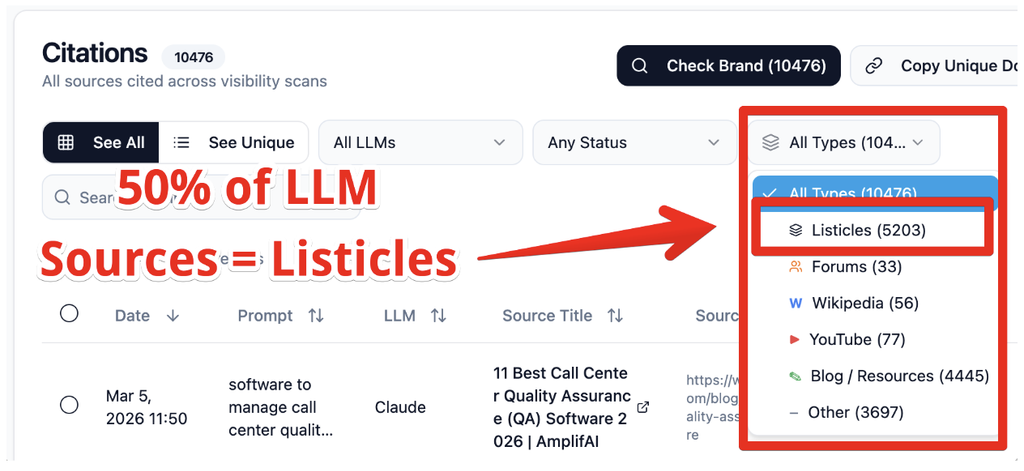
So one good placement can get your brand in front of Google searchers and improve your chances for AI visibility.
That’s why we look at both channels before sending the first outreach email.
Over the recent years, we’ve gotten our clients into 200+ top ranking listicles including Monday.com, G2, FormBricks and many more. We’ve tested different research methods, outreach tactics, qualification criteria, and AI tools working on dozens of B2B SaaS campaigns.
Some worked like a charm. Others weren’t worth the effort.
In this guide, I’ll walk you through the process we use today, what we’ve learned along the way, and how you can apply it to your own SaaS product.
Each campaign follows the same five steps:
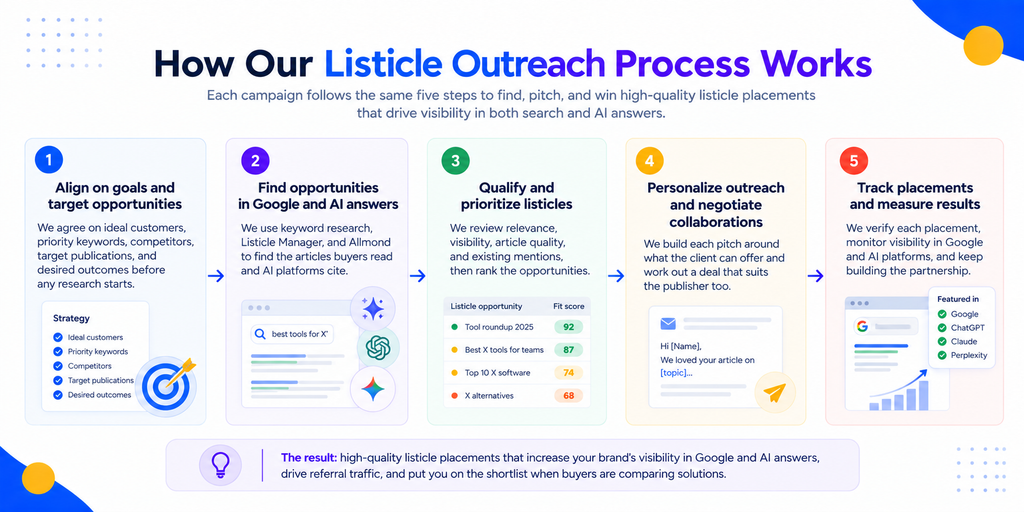
Before we dive in, let’s get one thing straight. Getting into a listicle doesn’t automatically mean ChatGPT will start recommending your product left and right.
There are four different outcomes:
Here’s the catch. Even if ChatGPT cites an article featuring your product, it might mention your competitors and leave you out.
It all depends on the question, the AI platform, and the other sources it uses.
So getting featured in the right listicles can improve your odds, but there are no guarantees.
That’s why we track all four outcomes separately. More on that in step 5.
Before we start digging for listicle opportunities, we need to know what the client is after. Otherwise, we could spend hours researching hundreds of articles only to find out we’ve been looking in all the wrong places.
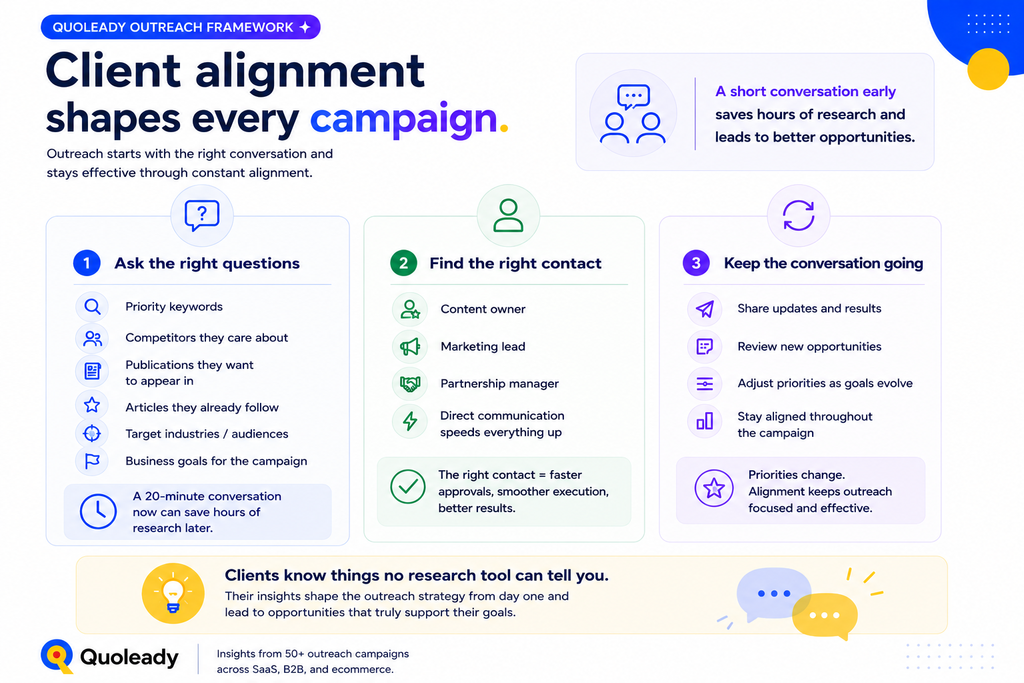
Every client has their own priorities. Some care more about AI visibility, others are after Google rankings. Some only want niche industry publications, while others are happy to appear in broader software roundups. And while some clients want to be featured right next to their biggest competitors, others would rather stay away from those articles.
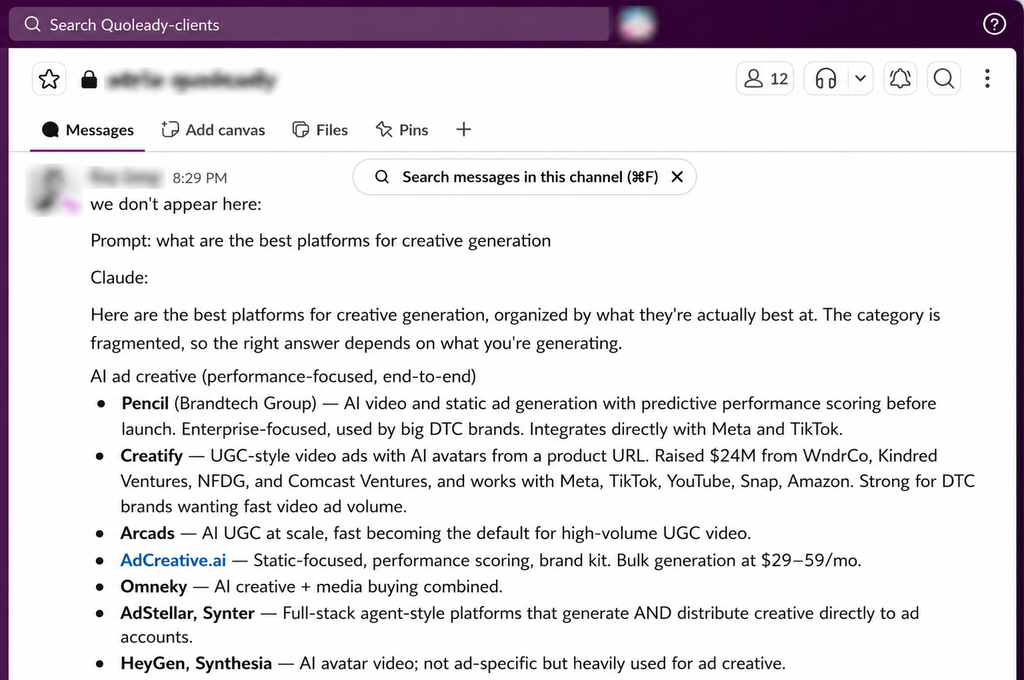
So before we start with the research, we ask a few questions:
A quick 20-minute chat can save us hours of research and keep us from going down the wrong rabbit hole. After all, there’s no point chasing placements that the client wouldn’t want in the first place.
Finding the right person on the client’s side can be a headache of its own. We’ve seen requests bounce back and forth between marketing, content, SEO, and partnerships before finally reaching someone who can make a decision.
And all that back and forth eats up time.
That’s why we try to work directly with whoever is in charge of content or partnerships. It saves everyone a lot of unnecessary hassle.
When we first started doing listicle outreach, we’d collect hundreds of articles, dump them into a massive spreadsheet, and call it a day. The list looked impressive, but lots of those articles had little to do with how people actually found software.
These days, we start with the product, its competitors, and how potential customers search for solutions. Everything we learned during the first call comes in handy here.
Then we look for listicles that people are likely to see when researching the niche.
Keyword research is one of the starting points. We want to understand how people search for software, compare products, and decide what to buy. So we look at:
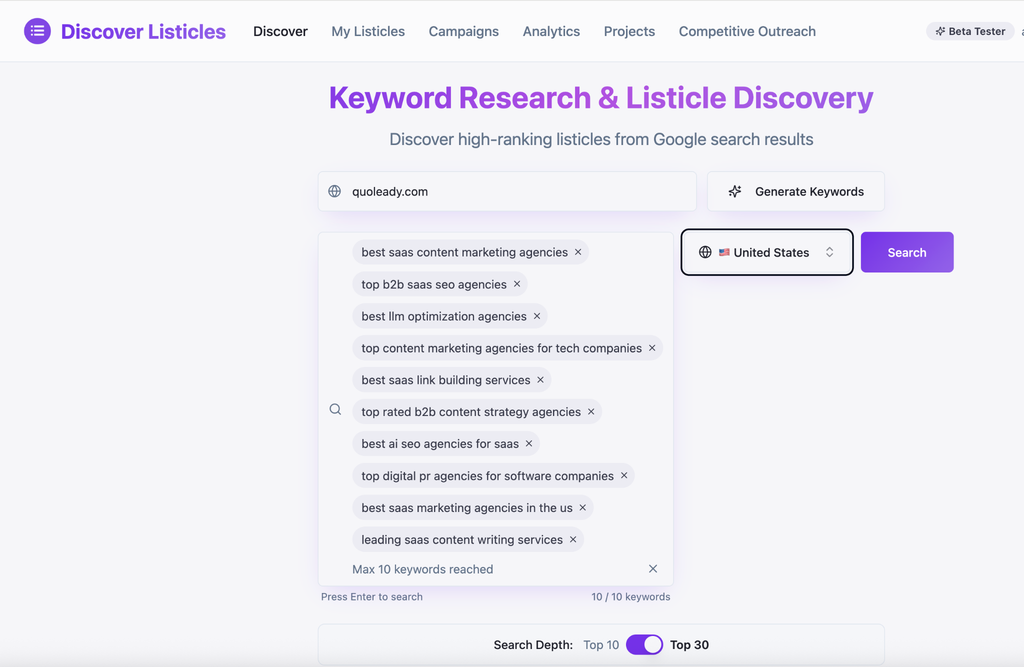
To speed things up, we use our own tool, Listicle Manager. It looks at the client’s website, suggests relevant keywords, and finds listicles ranking in Google top-30.
This saves us a good chunk of manual work and gives us our first batch of outreach opportunities.
Google isn’t the only place people go for software recommendations. ChatGPT, Claude, Gemini, and Perplexity have been part of the mix since 2023 and it keeps growing.
So we use our other tool, Allmond, to see which listicles LLMs cite. Anything worth mentioning our client in goes straight into Listicle Manager, so we have everything in one place.
We scan the prompts people might ask AI, check which sources AI platforms pull into their answers, and keep an eye on URLs that pop up again and again.
Of course, AI citations aren’t set in stone. They can change depending on the question, the platform, or even the day. That’s why we often check them again as the campaign continues.
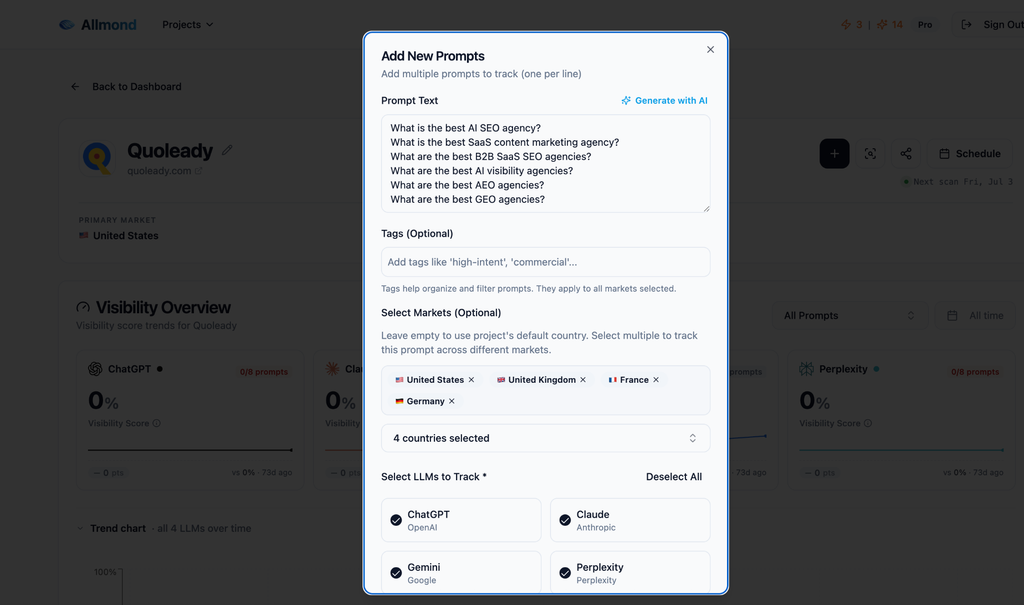
If we see an article that ranks well in Google and gets cited by AI platforms, it usually goes straight to the top of our outreach list. After all, the more places buyers can find it, the better.
Take Slite’s roundup of Notion alternatives, for example. When we searched for “best Notion alternatives” on Google, it ranked first. We then asked Gemini, “What are the best Notion alternatives?” and found that it cited the same article.
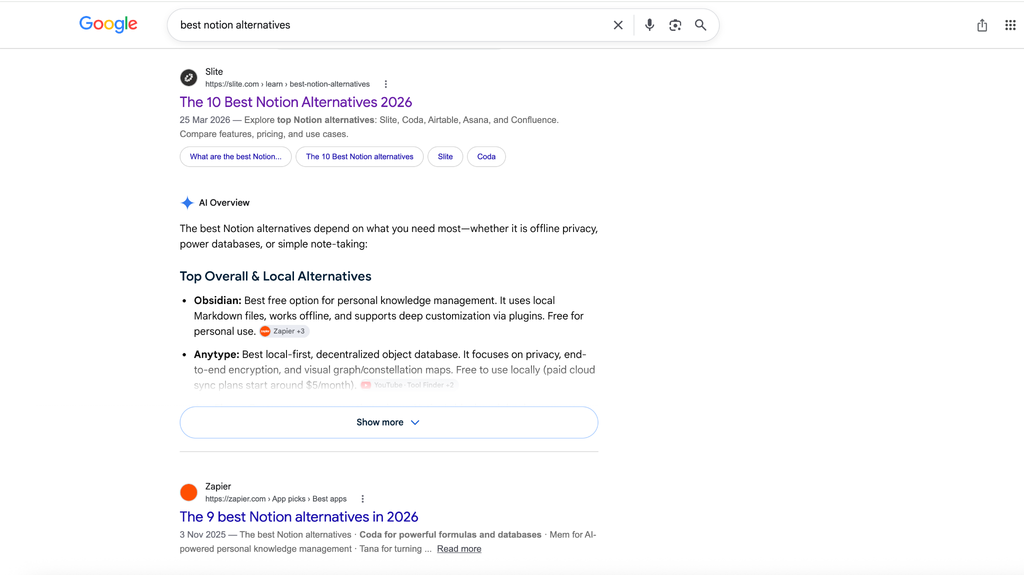
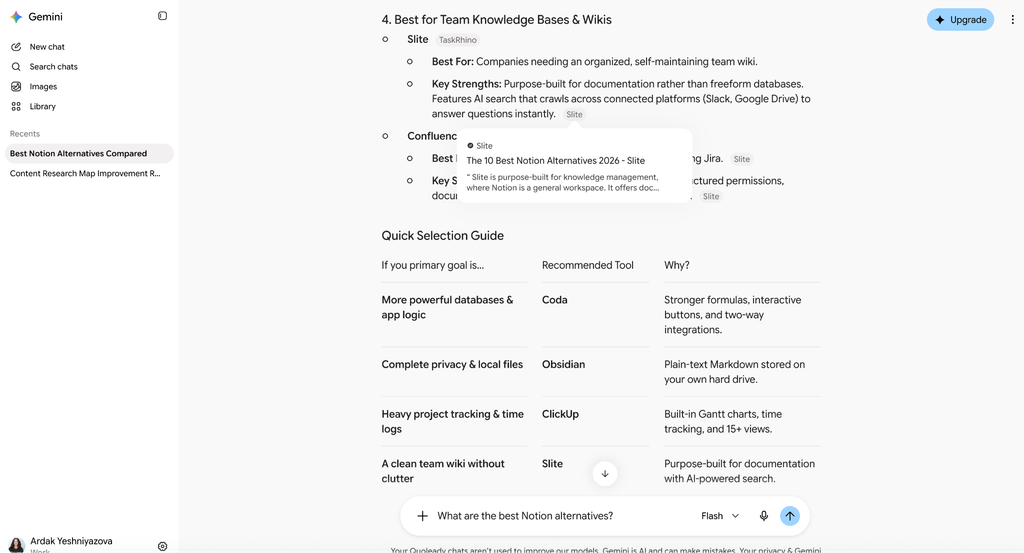
We also managed to get our client featured second in this article, right after Slite. So now they’re near the top of an article that ranks well in Google and gets cited by Gemini.
Of course, that doesn’t guarantee Gemini will recommend our client. But it gives them a better shot. (We track what happens next in step 5.)
Finding articles is the easy part. Figuring out which ones are worth chasing is where things get tricky.
We go through each article and check:
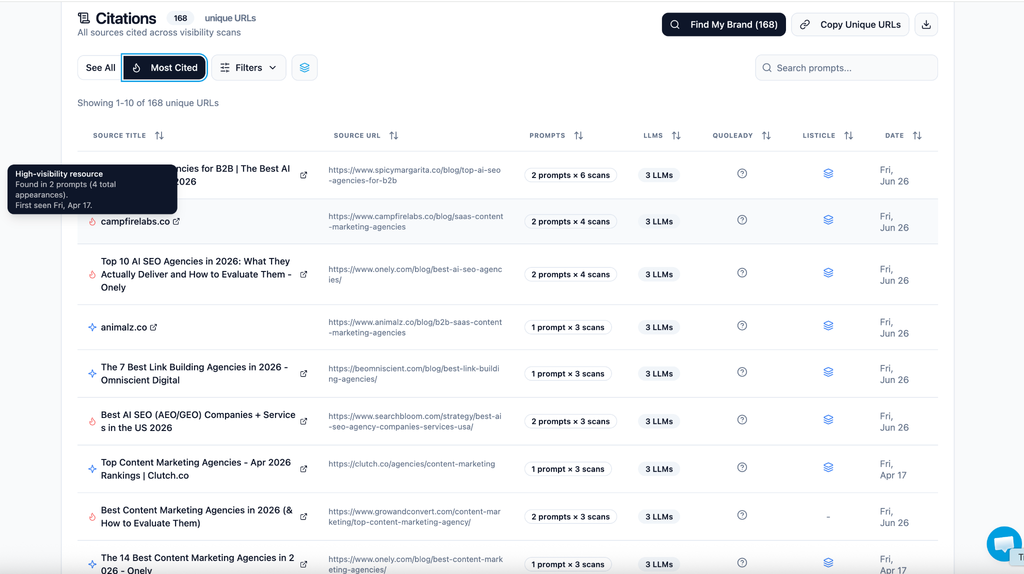
Traffic and Domain Rating are useful, but they don’t tell the whole story. Of course, getting featured in an article with tons of traffic would be great. But traffic alone doesn’t mean it’s a good fit.
If you’re selling a super niche product, getting listed in a generic software roundup might do more harm than good. You risk attracting the wrong audience and watering down your positioning.
Sometimes, a smaller industry-specific article that ranks for the right keywords and gets cited by AI tools is worth far more than a big publication with thousands of visitors.
Before reaching out, we check whether the client is already featured in the article. Listicle Manager does this automatically, so we don’t waste time pitching publishers who’ve already mentioned our client.
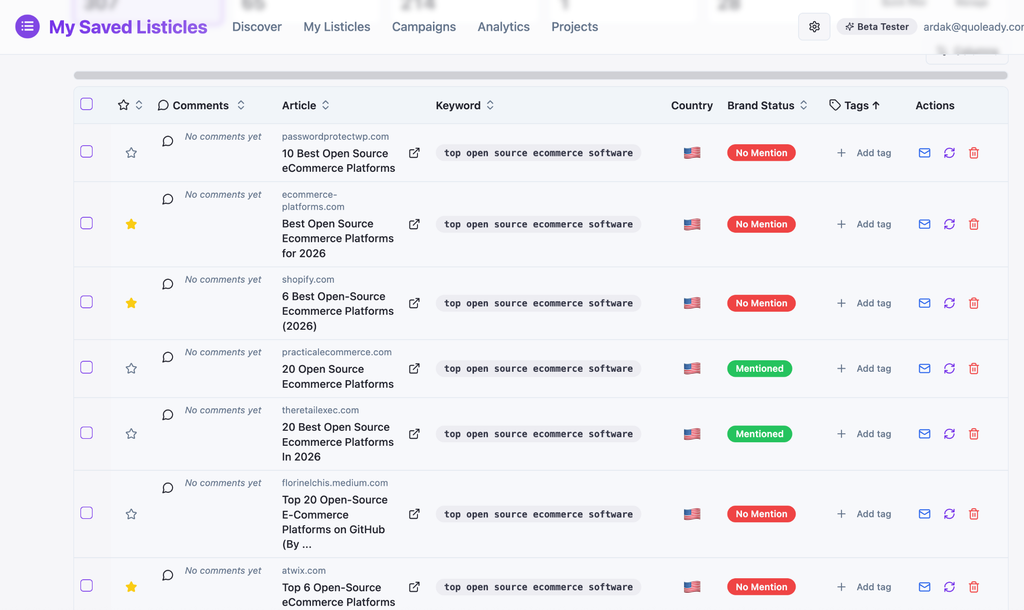
Some clients want to see traffic and Domain Rating (DR) before approving placements, so we use Ahrefs to pull those numbers.
But personally, I wouldn’t get too hung up on these metrics. If a listicle already ranks at the top of Google for a relevant keyword, that’s a good enough reason to take a closer look. We’ve seen plenty of overlap between articles ranking in Google and those cited by AI tools.
We’ve even seen listicles with virtually zero traffic get cited by AI tools. So judging opportunities by traffic alone could mean missing out on some great placements.
At the end of the day, the more relevant listicles you get featured in, the better your chances of getting mentioned in AI answers.
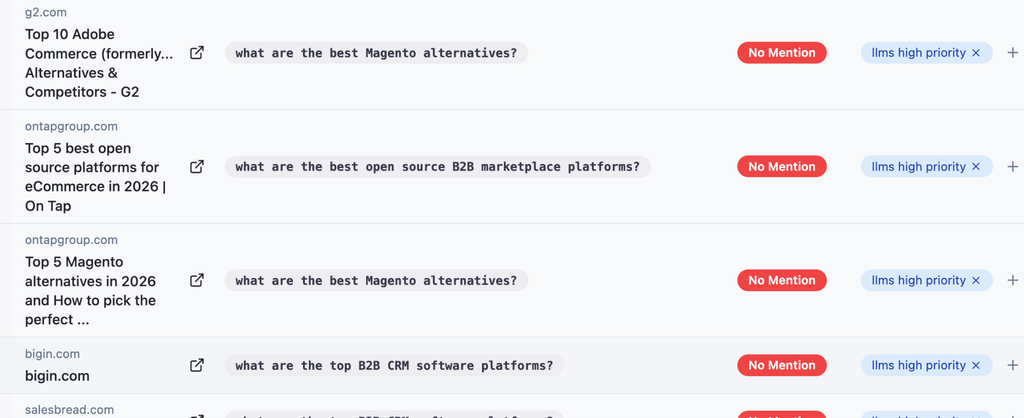
Allmond also helps us see which publications get cited by AI tools. We then organize everything in Listicle Manager by keyword, category, country, and priority, so the team knows which opportunities to go after first.
Once we’ve narrowed down the list, we run it by the client for approval before starting outreach.
When we first started, we used pretty much the same outreach approach for every client. Over time, we learned that there’s no one-size-fits-all solution.
Before sending emails, we take a good look at what the client brings to the table: their website, content, SEO performance, and anything else we could use to negotiate a placement.
Because once a publisher replies, the conversation usually comes down to one question: “What’s in it for me?”
Some clients have well-known brands and strong websites, which makes things easier. Others are startups with barely any organic traffic but a few articles that AI tools regularly cite. And some are simply open to trying different collaboration deals.
We work with what we’ve got and tailor our pitch accordingly.
Some clients already have strong websites, good Google rankings, and lots of quality content. That gives us more to work with when pitching publishers. We can aim for bigger industry publications and use the client’s authority to get our foot in the door.
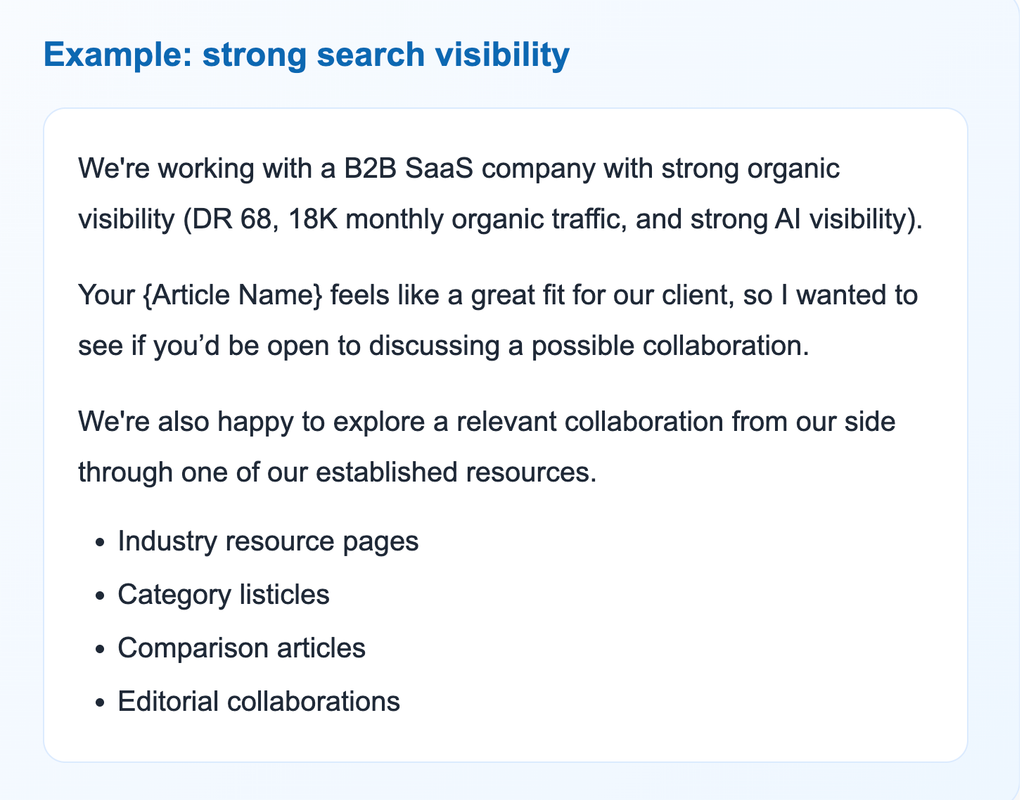
When to use this pitch: Your client has good organic visibility and can offer the publisher some exposure in return.
Why it works: You’re giving the publisher something worth considering, and you have the numbers to back it up.
Some clients don’t have impressive traffic or Domain Rating, but they have great content to work with. Maybe it’s a comparison article that ChatGPT often cites, a piece of original research, or a guide that gets a lot of attention.
In that case, we use those assets as our bargaining chip. Instead of offering a homepage link, we pitch a placement in content that performs well and could be valuable to the publisher.
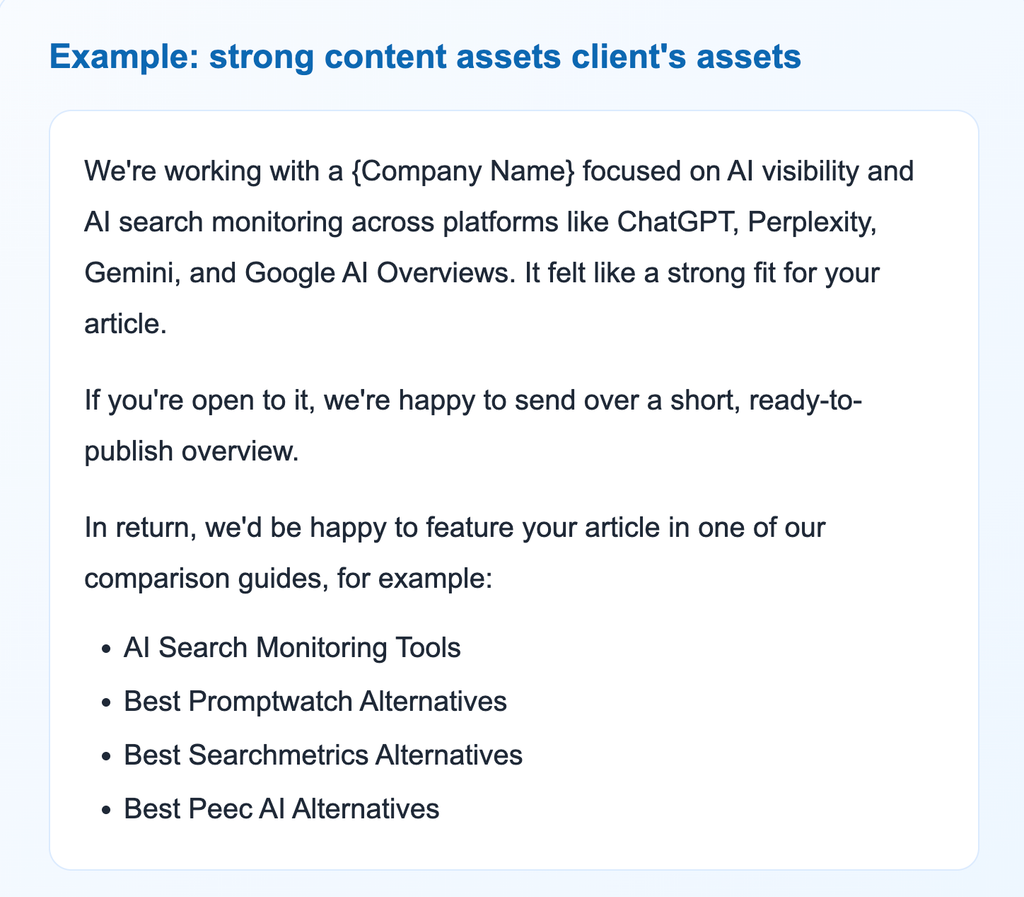
When to use this pitch: Your client doesn’t have impressive website metrics but has content that LLMs cite.
Why it works: The publisher gets a ready-to-publish overview and a spot in an article that LLMs have already picked up. A pretty good deal for both sides.
Some clients don’t have much to offer in terms of traffic or content, but they’re open to different types of deals. Guest posts, backlink exchanges, expert quotes, two-for-one deals, you name it.
That gives us more room to negotiate and opens doors that would otherwise stay closed.
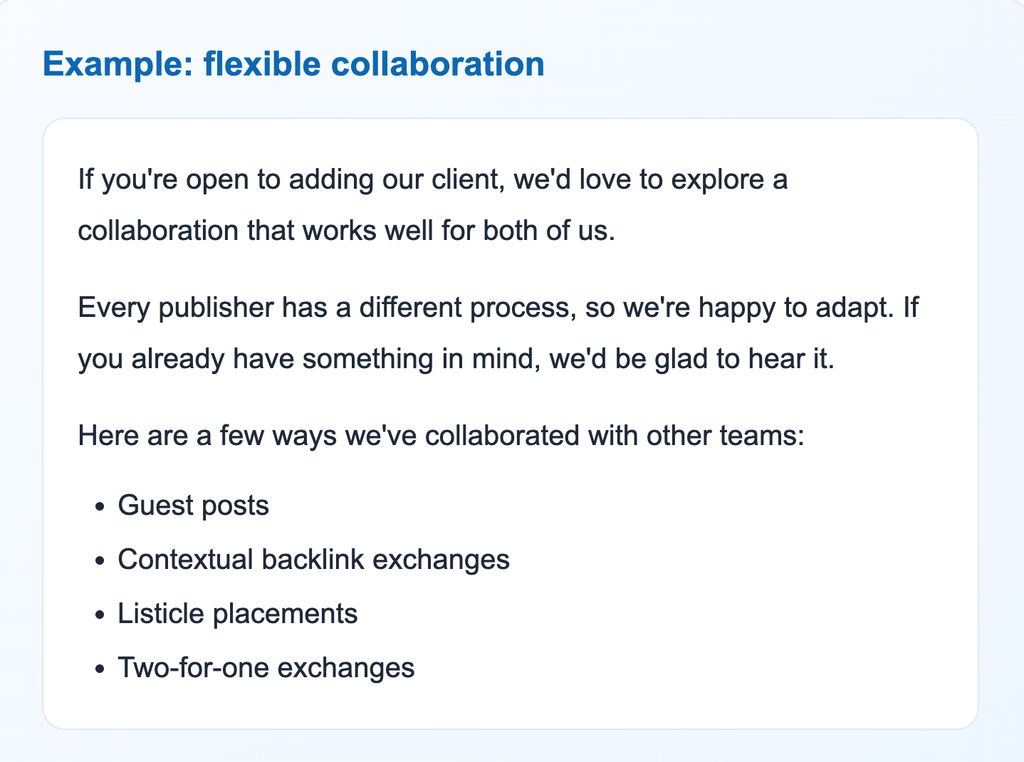
When to use this pitch: Your client doesn’t have many assets to offer but is flexible about collaboration options.
Why it works: You’re giving the publisher a chance to suggest what works for them, making it easier to get the conversation started.
Depending on the client, we adjust the pitch, the deal we’re offering, and sometimes even the publications we target. The better we understand what the client brings to the table, the easier it is to find common ground with publishers.
All the research and planning gets us to the first reply. From there, it’s all about finding common ground and working out a deal that makes sense for both sides.
Some publishers answer with a quick “yes.”
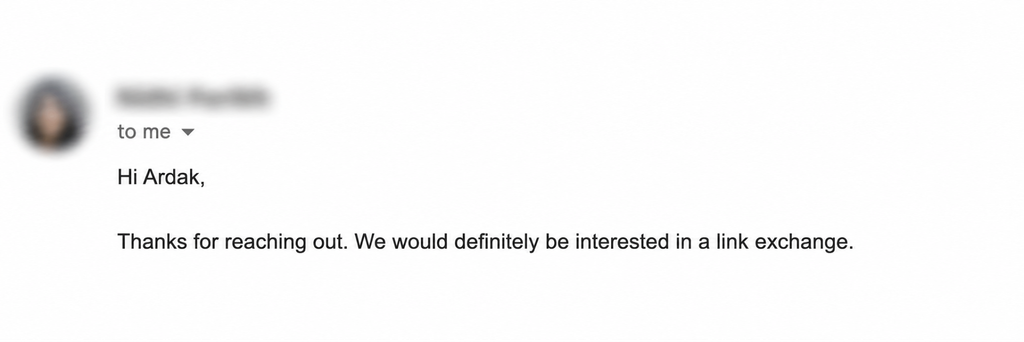
Others suggest a different deal, and we go back and forth until we find something that works.
Publishers are also starting to check AI visibility. One editor told us their article had 700 AI retrievals, while ours had only 75. So they asked for an extra brand mention in another article to make the exchange fair.
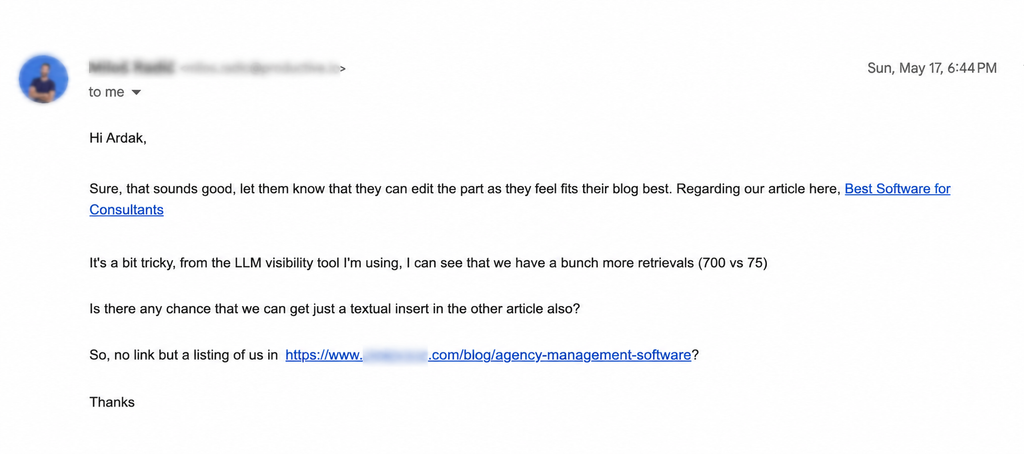
Every publisher has their own priorities. Some want backlinks, others are after original research, expert insights, fresh content, or long-term partnerships.
After doing this for a while, you start to get a feel for what works with different publishers.
Sometimes a simple link exchange does the trick. Other times, you might need to offer a content update, guest post, or a few placements in return.
And sometimes, a quick outreach email opens the door to a much bigger collaboration.
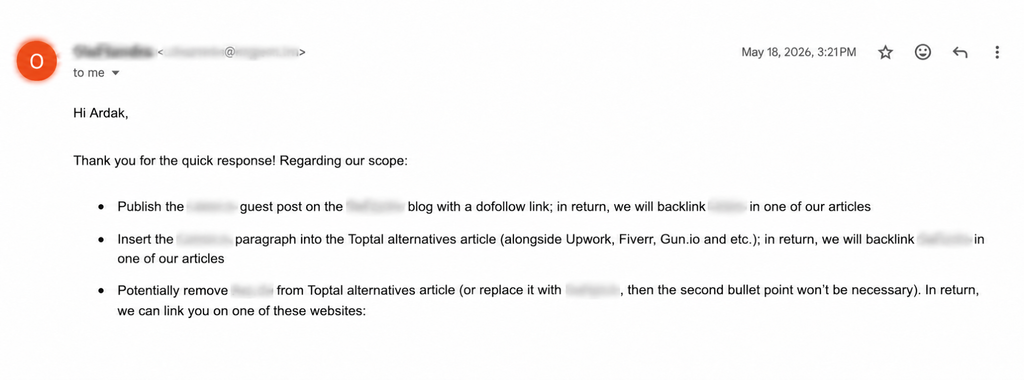
Here’s a good example of why it’s worth keeping in touch with publishers.
After one of our placements went live, the publisher reached out asking if we’d be interested in another collaboration. They wanted a listing in one more article, and we agreed.
A while later, we came back with a new client and asked if they could add a few tools to an existing article. They were happy to discuss it and even offered to feature our client in two more articles.
All from one publisher relationship.
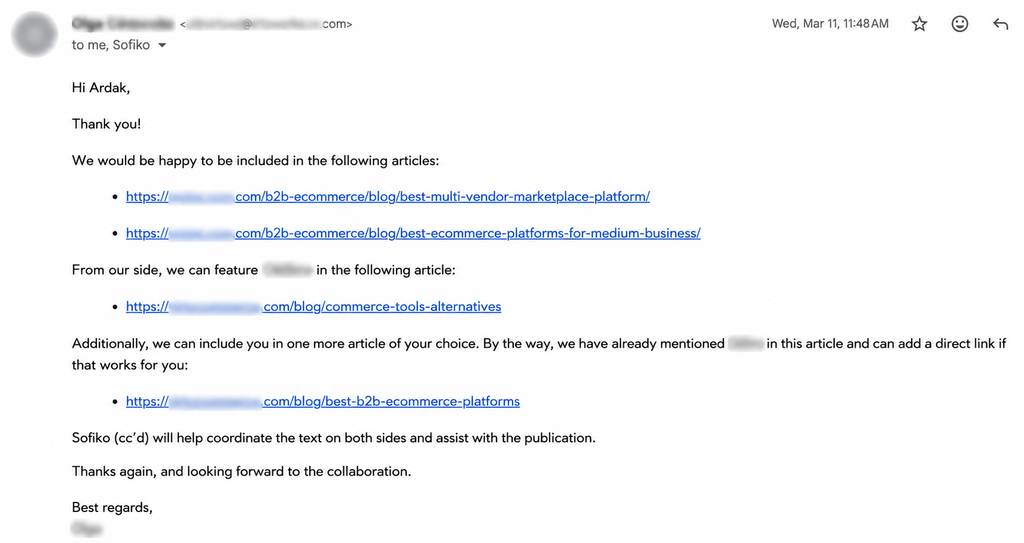
That one relationship has already brought us two completed client projects, and we’re now working on a third with several placement exchanges.
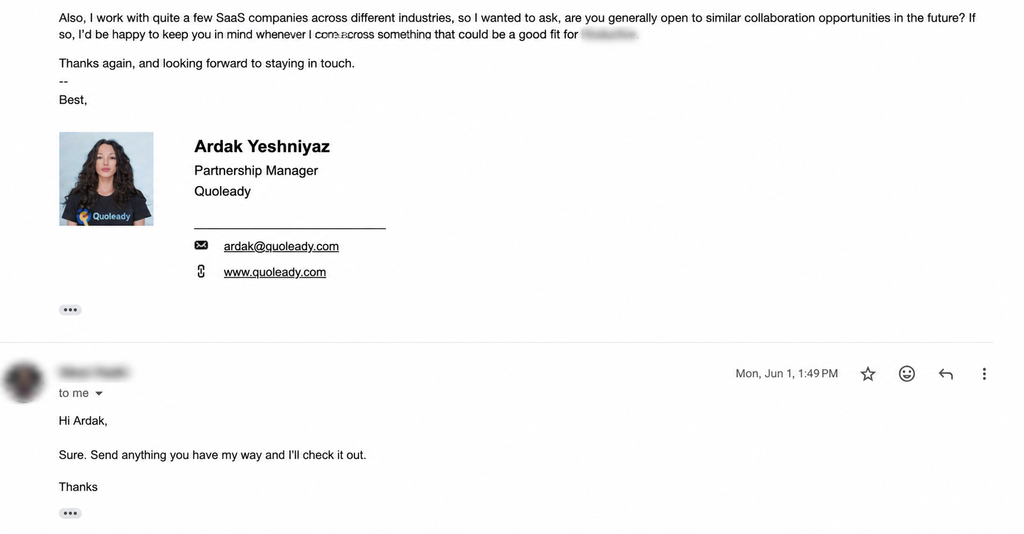
When we come back to a publisher with a new client, we make sure there’s something in it for them too. We want a good placement, and they want something worthwhile in return.
Over time, we get to know what works for both sides, which makes each new collaboration easier to negotiate.
We keep in touch once a placement goes live and ask if the publisher is open to similar collaborations in the future.
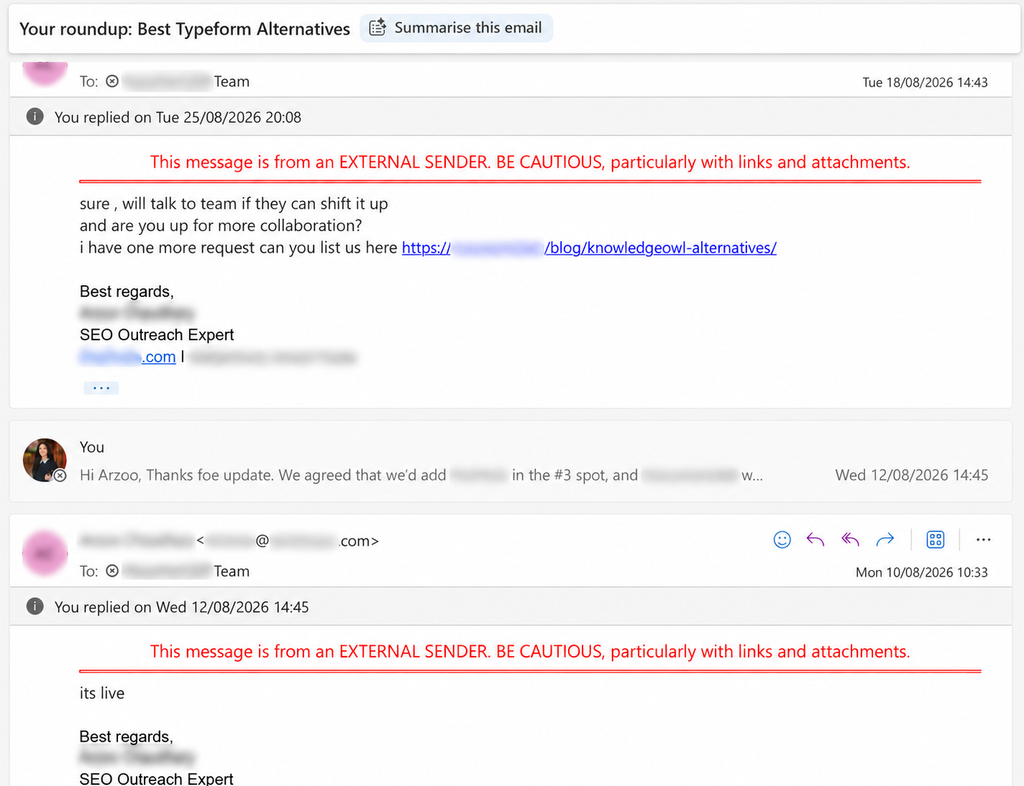
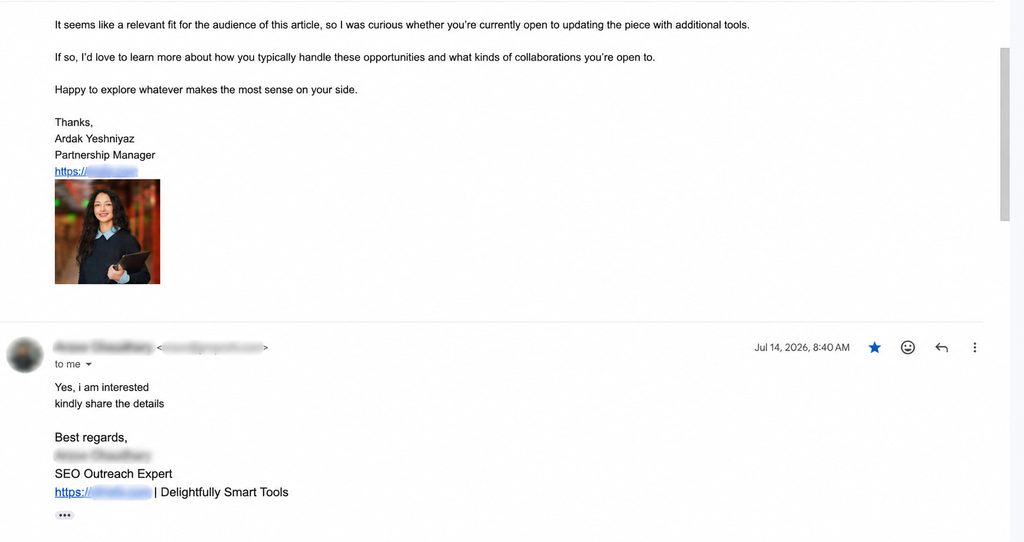
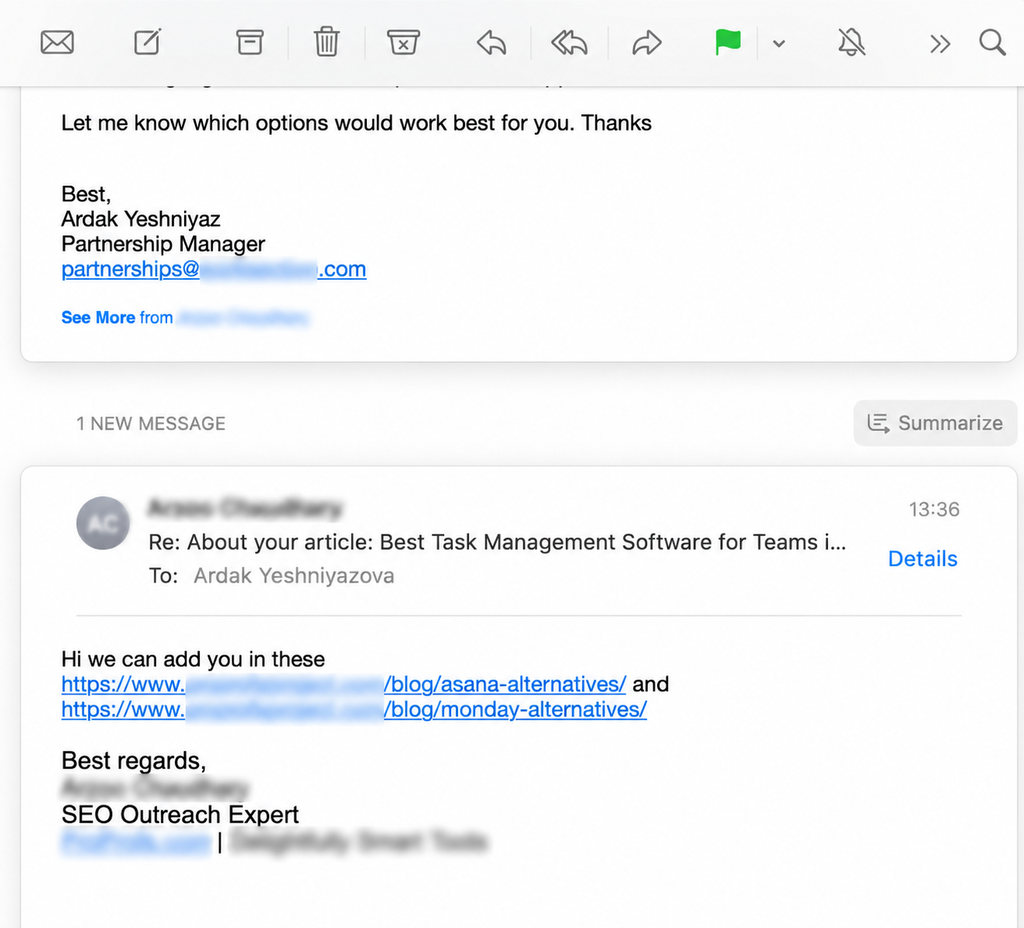
Over time, we get a feel for what each publisher wants. Some care about Domain Rating, others look at relevance, AI visibility, or specific topics. So next time we reach out, we already know what to offer, which saves us a lot of back and forth.
When a publisher tells us a placement is live, we don’t just take their word for it. We open the article and check that the client has been added as agreed.
Listicle Manager helps us spot brand mentions automatically, and we track every opportunity in one place, whether it’s live, on hold, a paid option, or no longer relevant.
Once a placement goes live, we track the four things we covered earlier: source citations, brand mentions, recommendations, and traffic or conversions.
Allmond checks our tracked prompts regularly, so we can see how often AI tools cite the articles, mention the client, or recommend their product over time.
We also look at referral traffic and conversions when that data is available.
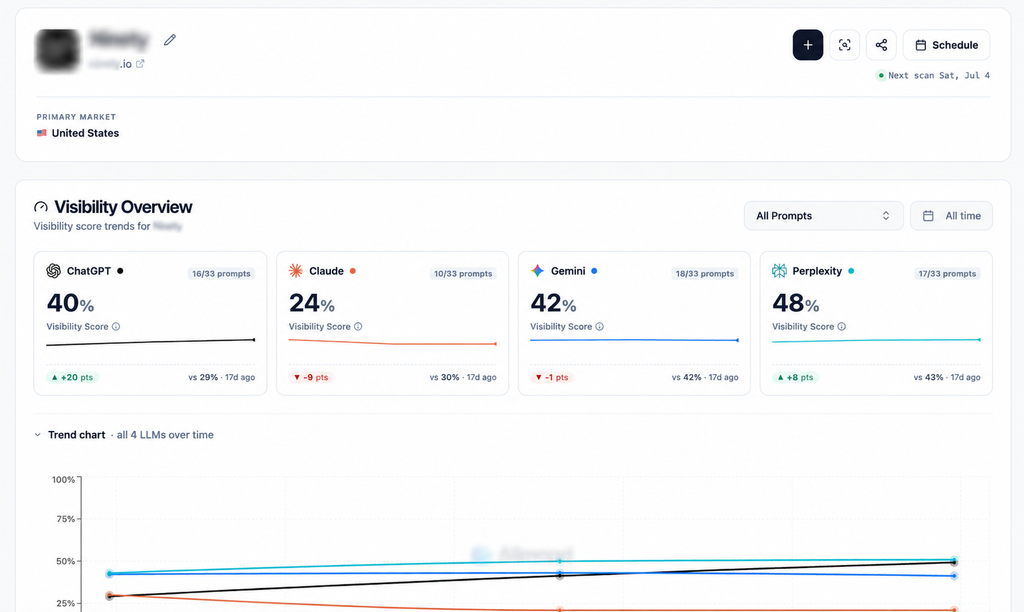
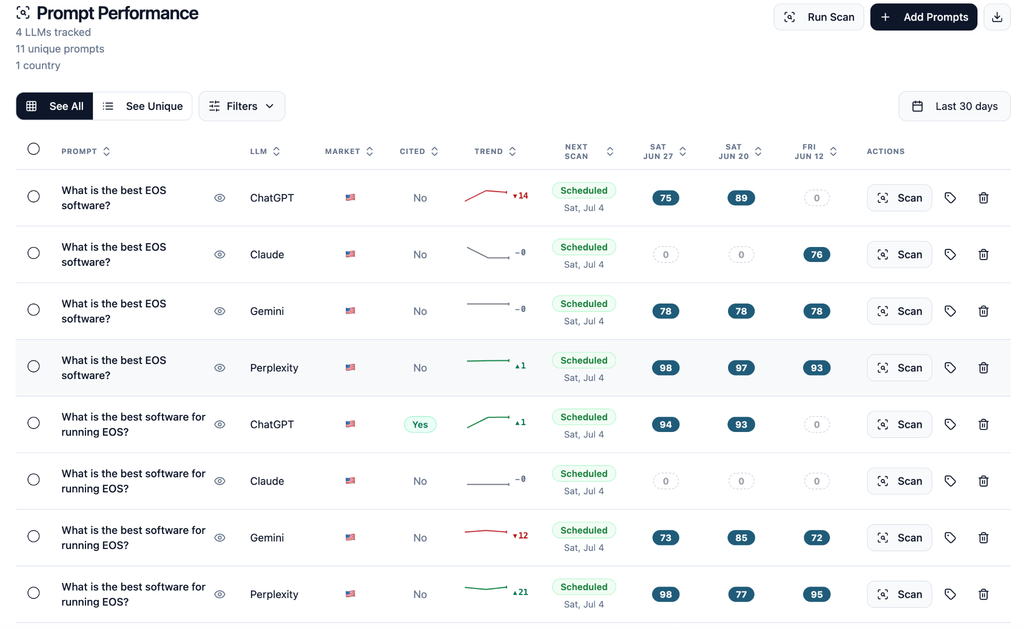
AI citations can change depending on the question, platform, or even the day. So checking once doesn’t tell us much. We keep an eye on the results as the campaign goes on to see how things develop..
Things can change along the way. New competitors enter the picture, new listicles catch our attention, and some publications become more interesting while others drop off the list.
That’s why we regularly check in with clients and adjust our priorities as we go.
We use Listicle Manager as a shared workspace where both our team and the client can see the research, outreach progress, comments, and priorities. Everything stays in one place, so nobody has to dig through endless spreadsheets or email threads to figure out what’s going on.
One of our clients is a B2B ecommerce platform. In about two and a half months, we got responses from a bunch of publishers, each offering different collaboration options.
We went through the offers with the client, and they chose the placements they wanted to proceed with.
Nine placements have gone live so far, some on well-known industry and software websites, and we’re still discussing a few more.
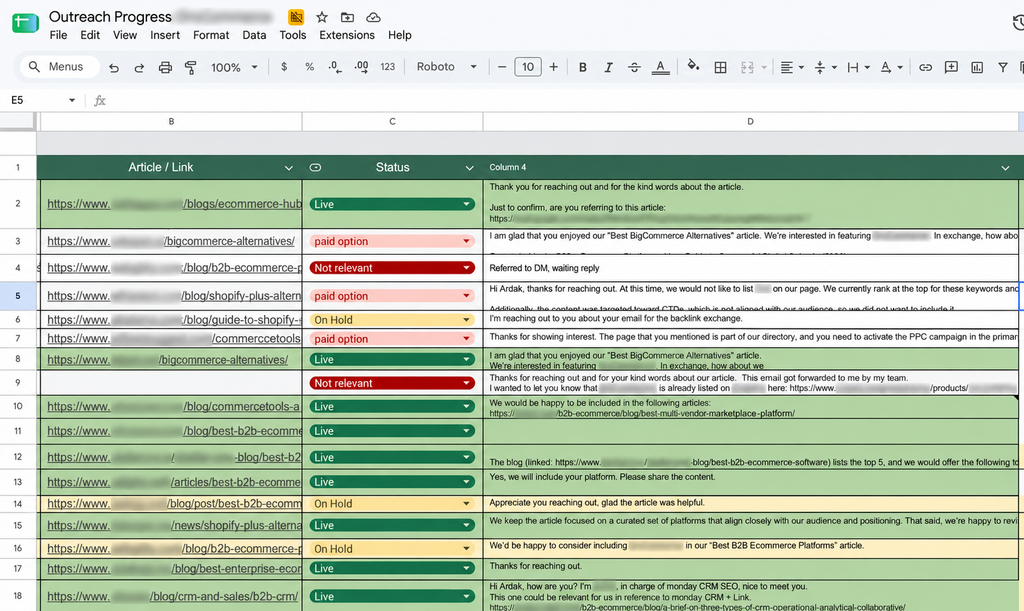
We started with keyword research and checked which articles AI tools were citing. That gave us a list of relevant roundups and comparison articles to go after.
Once publishers started replying, we figured out what they wanted in return and worked out deals that suited both sides.
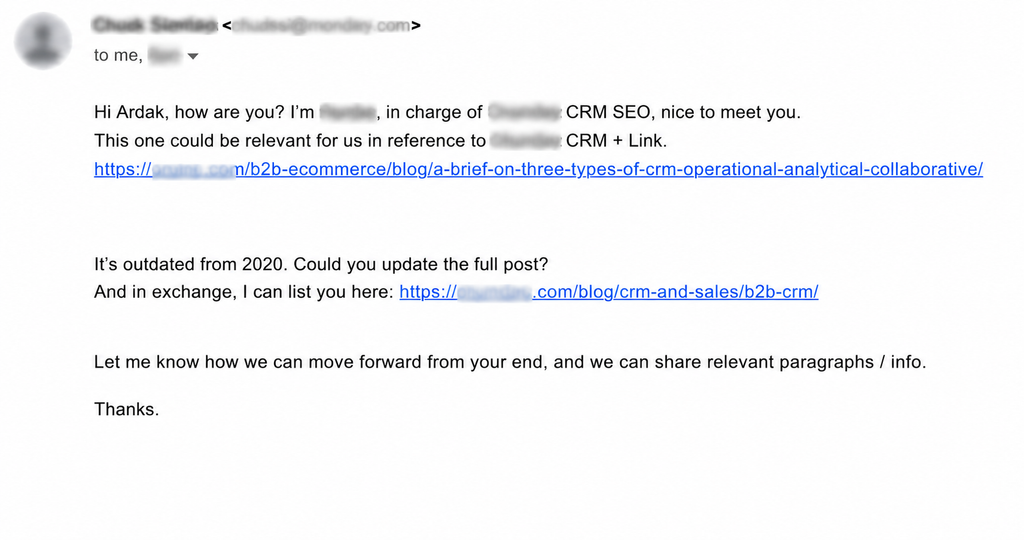
Some offers were pretty interesting. One publisher asked us to update an old CRM article from 2020 in exchange for featuring our client in a software roundup. Another suggested swapping placements across several articles and even offered to add a link to an article where our client was already mentioned.
A few conversations led to multiple placements, and others opened the door to working together again down the road.
Here’s what we use to get the job done:
At the end of the day, listicle outreach comes down to building relationships and finding deals that work for both sides.
Some conversations end after a few emails. Others turn into partnerships that bring new opportunities for months or even years.
The key is simple: give publishers a good reason to work with you, and they’ll be much more likely to do it again.
At Quoleady, we find the right listicles, negotiate placements with publishers, and track the results.
Let’s get your SaaS featured in more listicles.
Start by finding listicles relevant to your product. Check whether your SaaS would be a good fit, reach out to the publisher with an offer, and negotiate a placement. Once it’s live, double-check that everything looks as agreed. We’ve covered the whole process step by step above.
Start with questions your potential customers might ask AI tools. Check which articles they cite and look for publications that get cited more than once. Since AI citations can change, it’s worth checking again from time to time.
They can be! A niche article that reaches the right buyers can be worth far more than a generic roundup with thousands of visitors. Traffic is great, but relevance matters more than you might think.
Nope. Even if an AI tool cites an article featuring your product, it might recommend your competitors and leave you out. Getting featured improves your chances, but there are no guarantees.
We track how many placements go live, whether AI tools cite those articles, how often the client’s brand gets mentioned or recommended, and whether those placements bring traffic or conversions. When possible, we also look at leads and pipeline generated.
Ardak Yeshniyazova
Parnership Manager
Read also

I don’t know about you, but these days, every time I need to find a product or service, I go to Cl

Olga Mykhoparkina
Oct 01, 2026
A SaaS company can rank well in Google and still be absent when a buyer asks ChatGPT for the best pr
Olga Mykhoparkina
Oct 01, 2026
You already have the numbers. HubSpot, GA4, your CRM and Stripe are throwing dashboards at you every
Olga Mykhoparkina
Oct 01, 2026 Let us know what you are looking to accomplish.
We’ll give you a clear direction of how to get there.
All consultations are free 🔥